Professional Asphalt Oil Spot Treatment & Removal

An oil, gasoline, or brake fluid stain is more than just an ugly black eyesore on your property. It is an active chemical reaction that is actively destroying your pavement.

Asphalt is mixed using a petroleum-based liquid binder that holds the gravel and sand together. Because motor oil is also petroleum-based, it acts as a solvent when dropped onto unsealed asphalt. It dissolves the binding agents, causing the pavement to soften, turn into loose gravel, and eventually collapse into a deep pothole.

Our specialized oil spot treatment neutralizes the chemicals, halts the corrosion process, and saves the sub-base from permanent structural damage.
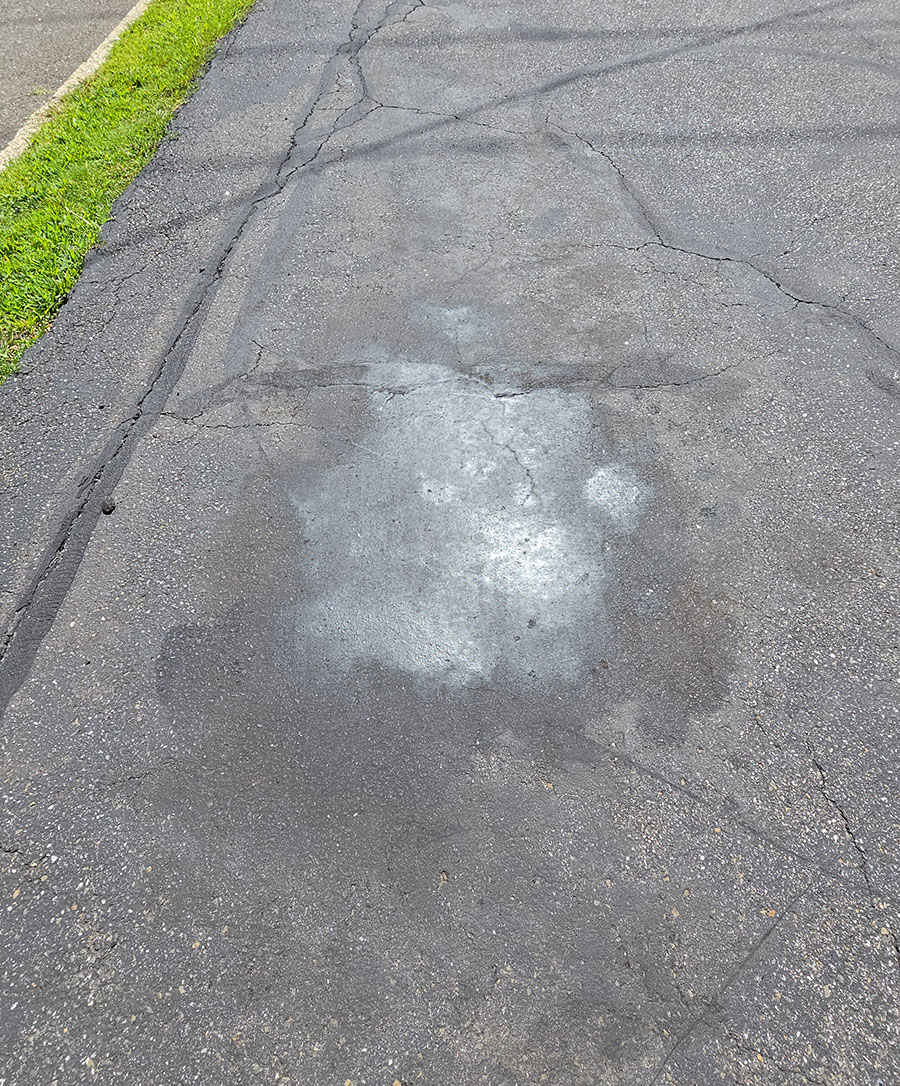
Erase Deep Stains. Stop Asphalt Corrosion. Prepare for a Flawless Sealcoat.

Oil Spot Treatment & Removal

Frequently asked questions

Asphalt is a petroleum-based material held together by liquid asphalt cement. Because motor oil, transmission fluid, and gasoline are also petroleum-based, they chemically bond with your driveway on contact. The oil acts as a solvent, dissolving the binder and causing the asphalt to soften, break down, and crumble into loose gravel.

No. Because oil is a liquid petroleum product, raw sealcoat cannot stick to it. If you apply sealer directly over an untreated oil stain, the sealer will immediately separate, bubble up, and peel off within a few weeks, exposing the damaged asphalt underneath again.

We use a specialized three-step chemical treatment process to ensure a lasting bond:

  1. Scraping & Degreasing: We scrape away any caked-on sludge and scrub the area with a professional-grade, biodegradable degreaser to pull as much embedded oil out of the pores as possible.

  2. Torching (if needed): For deep, saturated stains, we carefully apply a heat torch to evaporate the residual volatile oils deep within the pavement.

  3. Petroleum Block Primer: We apply a highly specialized polymer primer (often called an oil spot primer) over the stain. This creates a synthetic, liquid-proof barrier that locks the remaining oil beneath the surface and allows the new sealcoat to adhere perfectly.

Visually, yes. Once treated, primed, and coated with our commercial-grade sealer, the entire driveway will have a uniform, rich jet-black finish. However, if the oil sat on the asphalt for years and structurally softened the pavement before we arrived, a slight texture difference or minor depression may still be visible under certain lighting.

If the oil has completely eaten through the binder, the asphalt will feel soft, spongy, or resemble loose coffee grounds. At this stage, primers and sealcoats cannot save it. The damaged section must be cut out, removed, and replaced with fresh, hot-mix asphalt before the driveway can be sealed.

While our premium sealer provides excellent short-term resistance against chemicals, no sealer is 100% oil-proof. If your car leaks fluid, the best defense is speed:

  • Soak up fresh spills immediately using kitty litter, sawdust, or oil-absorbent pads.

  • Do not scrub fresh oil with harsh household dish soaps or degreasers, as some consumer chemicals can actually strip away your brand-new sealcoat. Hose it down gently after absorbing the bulk of the fluid.